
Cart
0
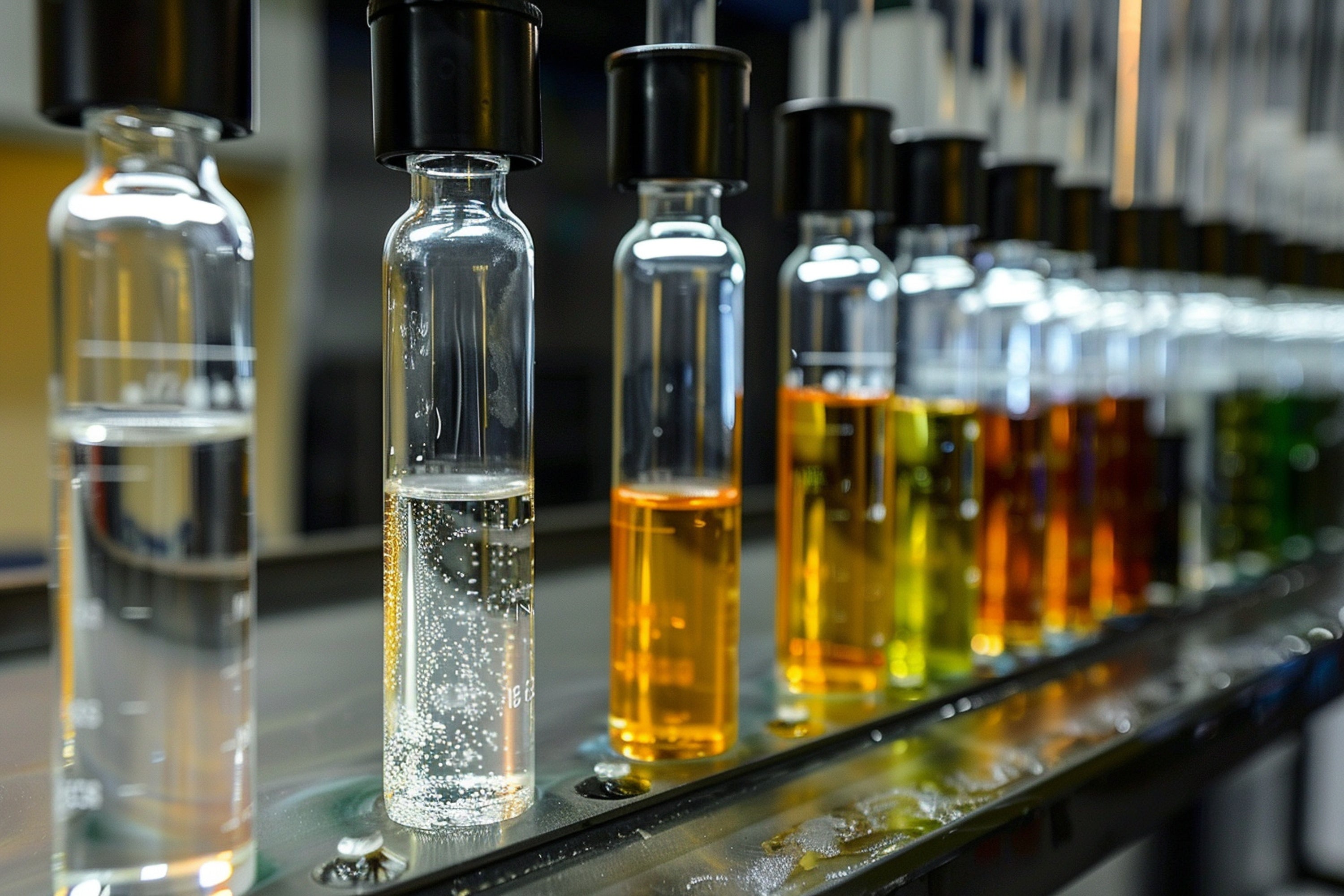

CBG Crystal Resistant Distillate (CBG CRD) is a specialized cannabinoid ingredient designed to resist crystallization while maintaining potency, clarity, and formulation stability across beverages, gummies, tinctures, topicals, capsules, and other hemp-derived products. Manufacturers use CBG CRD to improve shelf life, reduce formulation failures, and support consistent dosing at commercial scale.
For brands developing premium cannabinoid products, crystal resistance is not just a technical feature. It can directly affect appearance, texture, potency consistency, retailer confidence, consumer trust, and long-term product performance.
See our verified CBG Crystal Resistant Distillate COA → Download PDF
In This Article
- What Is CBG Crystal Resistant Distillate?
- CBG CRD vs Traditional CBG Distillate
- The Crystallization Challenge
- Enhanced Shelf Stability
- CBG CRD Applications by Industry
- The Science Behind Crystal Resistance
- Stability Testing and Validation Framework
- How to Evaluate a Bulk CBG CRD Supplier
- Bulk Purchasing Considerations
- What Influences CBG CRD Pricing?
- Why Brands Source CBG CRD From Go North Hemp
- FAQ
What Is CBG Crystal Resistant Distillate?
CBG Crystal Resistant Distillate, often shortened to CBG CRD, is a cannabinoid distillate formulated to reduce or prevent crystal formation over time. Traditional cannabinoid distillates can crystallize depending on purity, temperature exposure, formulation environment, storage conditions, and finished product matrix.
For brands, crystallization can create visible sediment, cloudy appearance, grainy texture, inconsistent dosing, and failed shelf-stability outcomes. CBG CRD helps solve this issue by supporting a more stable cannabinoid ingredient system that can be easier to work with across commercial formulations.
This makes CBG CRD especially useful for product developers creating hemp beverages, gummies, topicals, tinctures, softgels, capsules, chocolates, and other finished products where consistency matters.
CBG CRD vs Traditional CBG Distillate
| Feature | CBG CRD | Traditional CBG Distillate |
|---|---|---|
| Crystal Resistance | High | Can crystallize over time |
| Shelf Stability | Improved | Variable |
| Visual Consistency | Better clarity and uniformity | May develop haze, separation, or sediment |
| Commercial Scalability | Strong fit for scale-up | Depends heavily on formulation controls |
The Crystallization Challenge Costing Formulators Time and Money
Crystallization is one of the most frustrating challenges in cannabinoid product development. What starts as a promising formulation can later develop cloudiness, graininess, sediment, separation, or inconsistent cannabinoid distribution. For teams comparing formats side by side, our bulk CBG distillate wholesale guide covers the traditional distillate option in detail.
This issue is not only visual. Crystallization can affect dosing uniformity, consumer experience, retailer confidence, and product quality perception. In commercial production, even small stability problems can create expensive consequences across manufacturing, warehousing, shipping, retail, and customer support.
CBG CRD helps address this challenge by supporting a more stable ingredient base for brands that need reliable performance over time.
Enhanced Shelf Stability: The Economic Game-Changer
For cannabinoid brands, shelf stability directly affects profitability. A product that looks great immediately after production but fails after weeks or months on the shelf creates serious risk.
Stable products help reduce waste, customer complaints, returns, reformulation costs, and retailer hesitation. They also support stronger distribution conversations because buyers can feel more confident that the product will maintain its intended appearance, texture, and potency over time.
- Retailers: Better on-shelf presentation and fewer product quality issues.
- Distributors: Lower degradation risk during storage and transport.
- Manufacturers: More predictable production outcomes.
- Consumers: More consistent product experiences.
For beverage-focused brands, shelf stability becomes even more important. See our Cannabinoid Beverage Shelf Stability Guide for a deeper look at formulation validation.
CBG CRD Applications by Industry
Beverage Brands
CBG CRD can support beverage formulations where clarity, stability, and consistent dosing matter. Finished beverages may still require the right emulsification or water-compatible delivery system, but a crystal-resistant cannabinoid input can reduce one major stability risk during development.
For beverage development, review our How to Formulate Functional Beverages guide.
Gummy and Edible Brands
Gummies, chocolates, and other edibles require uniform cannabinoid distribution and texture stability. CBG CRD can help reduce crystallization-related graininess or uneven distribution when properly integrated into the formulation process.

Topical Product Brands
In creams, balms, lotions, and salves, crystallization can create undesirable texture changes. CBG CRD supports smoother product consistency and helps maintain a premium feel throughout the product lifecycle.
Tincture and Oil Brands
Oil-based products depend heavily on visual consistency and cannabinoid uniformity. CBG CRD can support cleaner appearance and more reliable dosing compared with cannabinoid ingredients that may crystallize over time.
Capsule and Softgel Brands
Capsules and softgels require ingredient uniformity, especially when brands are manufacturing at scale. CBG CRD can help support consistent cannabinoid distribution in oil-based carrier systems.
Functional Wellness Brands
As functional wellness brands expand beyond CBD into minor cannabinoids, CBG CRD offers a formulation-friendly ingredient for products positioned around focus, recovery, balance, and everyday wellness support.
The Science Behind Crystal Resistance
Crystal resistance is based on controlling how cannabinoid molecules behave inside a formulation. Under certain conditions, cannabinoids can align into crystalline structures. This may happen due to concentration, temperature change, ingredient incompatibility, storage conditions, or product matrix instability.
CBG CRD is processed to reduce this crystallization tendency while maintaining the cannabinoid profile needed for commercial formulation. The goal is not to mask instability, but to create an ingredient that performs more reliably across real-world product environments.
This is one reason CBG CRD can be more attractive than isolate for certain applications. CBG isolate offers high purity and precise dosing, but its crystalline nature can create formulation limitations. CBG CRD offers a more flexible option for brands that prioritize stability and integration.
Stability Testing and Validation Framework
Even when using CBG CRD, finished-product stability testing is still important. Ingredient quality is only one part of the equation. The full product matrix, packaging, pH, excipients, flavor system, preservatives, storage conditions, and distribution environment can all affect long-term performance.
Commercial brands often evaluate products through 30-day, 60-day, 90-day, and accelerated stability studies. These tests may monitor appearance, potency retention, flavor, texture, separation, sediment, microbial risk, and overall product performance.
| Validation Area | What to Review |
|---|---|
| Appearance | Cloudiness, sediment, separation, color change, crystal formation |
| Potency | Cannabinoid retention and batch uniformity over time |
| Texture | Graininess, hardness, separation, viscosity changes |
| Packaging | Interaction with bottles, pouches, jars, droppers, caps, liners, or films |
| Transport Stress | Temperature swings, humidity, vibration, warehousing, and shipping conditions |
For beverage brands, shelf stability testing is especially important because emulsions and water-compatible cannabinoid systems must remain visually and chemically stable over time. If your brand is working on drink products, also see our Water Soluble CBD Bulk Wholesale Guide.
How to Evaluate a Bulk CBG CRD Supplier
Choosing a CBG CRD supplier is not only about price. The right supplier should support your formulation goals, compliance needs, and production schedule.
Third-Party Testing and COAs
Every batch should include a Certificate of Analysis verifying cannabinoid potency and relevant compliance data. Buyers should confirm that documentation is current, batch-specific, and easy to access.
Batch-to-Batch Consistency
Commercial brands depend on repeatability. Ask suppliers about potency variation, manufacturing controls, quality history, and how they maintain consistency from batch to batch.
Formulation Support
Experienced suppliers should help brands understand usage rates, compatibility, storage, dosing, and stability considerations. This can reduce costly development mistakes.
Inventory Reliability
Supply interruptions can delay launches and damage retailer relationships. Before committing to a supplier, evaluate available inventory, lead times, reorder capacity, and long-term supply reliability.
Documentation and Transparency
Professional suppliers should provide COAs, specifications, compliance documentation, and supporting quality records when applicable.
For more verified cannabinoid documentation, visit the Verified Transparency Hub.
Looking for Bulk CBG CRD?
Request specifications, COAs, availability, and formulation guidance directly from Go North Hemp.
Request InformationBulk Purchasing Considerations for Manufacturers
Before purchasing CBG CRD in bulk, manufacturers should evaluate both ingredient quality and commercial fit. A low-cost ingredient can become expensive if it creates formulation failures, inconsistent potency, product returns, or production delays.
Minimum Order Quantity
Review MOQ requirements and confirm whether the supplier can support both pilot batches and commercial production volumes.
Lead Times
Ask how quickly orders can be fulfilled and whether the supplier maintains inventory for repeat purchasing.
Scale-Up Support
A formulation that works in a small trial may behave differently at production scale. Work with suppliers who understand scale-up considerations.
Documentation Needs
Confirm that COAs, specifications, and compliance documents are available before placing larger orders.
Long-Term Supply Planning
If CBG CRD becomes a core ingredient in your product line, supplier reliability becomes a strategic issue. Consistent access protects launches, retailer commitments, and reorder schedules.
What Influences CBG CRD Pricing?
CBG CRD pricing can vary based on purity, concentration, batch size, testing standards, supply availability, manufacturing complexity, and order volume.
- CBG concentration and cannabinoid profile
- Purchase volume and MOQ
- Batch size and production complexity
- Testing and documentation requirements
- Market availability of CBG-rich hemp inputs
- Supplier inventory and lead times
Ingredient cost should not be evaluated in isolation. Brands should consider total cost of ownership, including formulation success rate, waste reduction, shelf stability, product returns, reformulation risk, and customer satisfaction.
Why Brands Source CBG CRD From Go North Hemp
Go North Hemp supports brands, manufacturers, formulators, and wholesale buyers with verified cannabinoid ingredients, documentation access, and bulk supply support. For brands developing products with CBG CRD, the goal is not just to buy an ingredient. The goal is to source a cannabinoid input that can support stable, scalable, and commercially viable products.
- Verified documentation: Access COAs and supporting transparency resources.
- Bulk cannabinoid supply: Source ingredients for product development and commercial manufacturing.
- Formulation-focused support: Discuss intended applications, dosage goals, and product format needs.
- Wholesale buyer alignment: Support for brands, manufacturers, and product developers sourcing at scale.
Whether your team is developing beverages, gummies, topicals, tinctures, capsules, or private label hemp products, Go North Hemp can help you evaluate the right cannabinoid ingredient strategy for your formulation.
Implementation Strategies for CBG CRD Integration
- Run pilot batches: Validate the ingredient in your exact product matrix before full production.
- Test dosage uniformity: Confirm cannabinoid distribution throughout the batch.
- Monitor stability: Evaluate appearance, texture, potency, and separation over time.
- Review packaging compatibility: Confirm that packaging does not negatively affect stability.
- Document results: Keep records that support future production, QA, and retailer conversations.
For beverage and functional product developers, dosage architecture is also critical. Review our Cannabinoid Dosage in Beverages guide for more insight.
The Path Forward for CBG Product Development
CBG CRD gives product developers a more stable foundation for building premium cannabinoid products. As brands move beyond basic CBD and THC formats, ingredients like CBG CRD can support more advanced product development across beverages, edibles, topicals, tinctures, and functional wellness categories.
For manufacturers, the opportunity is clear: better stability can lead to better products, stronger buyer confidence, and more scalable cannabinoid formulations.
Ready to Source Bulk CBG CRD?
Explore verified cannabinoid ingredients and request formulation guidance for your next product line.
Frequently Asked Questions
What is CBG CRD?
CBG CRD stands for CBG Crystal Resistant Distillate. It is a cannabinoid distillate designed to resist crystallization and support more stable product formulations.
What makes CBG CRD different from regular CBG distillate?
CBG CRD is designed to reduce crystal formation, while traditional CBG distillate may crystallize depending on purity, storage, temperature, and formulation conditions.
How is CBG CRD different from CBG isolate?
CBG isolate is a purified crystalline cannabinoid, while CBG CRD is a distillate designed for better formulation stability and reduced crystallization risk.
Can CBG CRD be used in beverages?
Yes. CBG CRD can be used in beverage development, although finished beverages may still require the right emulsification or water-compatible delivery system.
Is CBG CRD compatible with gummies and edibles?
Yes. CBG CRD can be used in gummies, chocolates, and other edible formats where texture, consistency, and dosing uniformity are important.
Does CBG CRD require stability testing?
Yes. Even when using a crystal-resistant ingredient, brands should validate the finished product through stability testing in the final matrix and packaging format.
How should CBG CRD be stored?
CBG CRD should generally be stored in a cool, dry place away from direct sunlight. Always follow supplier-specific storage recommendations.
What documentation should a CBG CRD supplier provide?
A professional supplier should provide COAs, product specifications, compliance documentation, and relevant quality records when available.
What should manufacturers ask before buying bulk CBG CRD?
Manufacturers should ask about COAs, potency, crystal resistance, MOQ, lead times, batch consistency, storage recommendations, and formulation compatibility.
Compliance Note: Products should be marketed and sold only where lawful. Always verify local regulations and keep products out of reach of children. This content is for informational purposes only and is not medical or legal advice.
Ready to future proof your supply chain?
Visit the COA Hub or contact the Ingredient Team to start your 2026 formulations.
Call 971-406-3862 for trade pricing and live lot availability.