
Cart
0
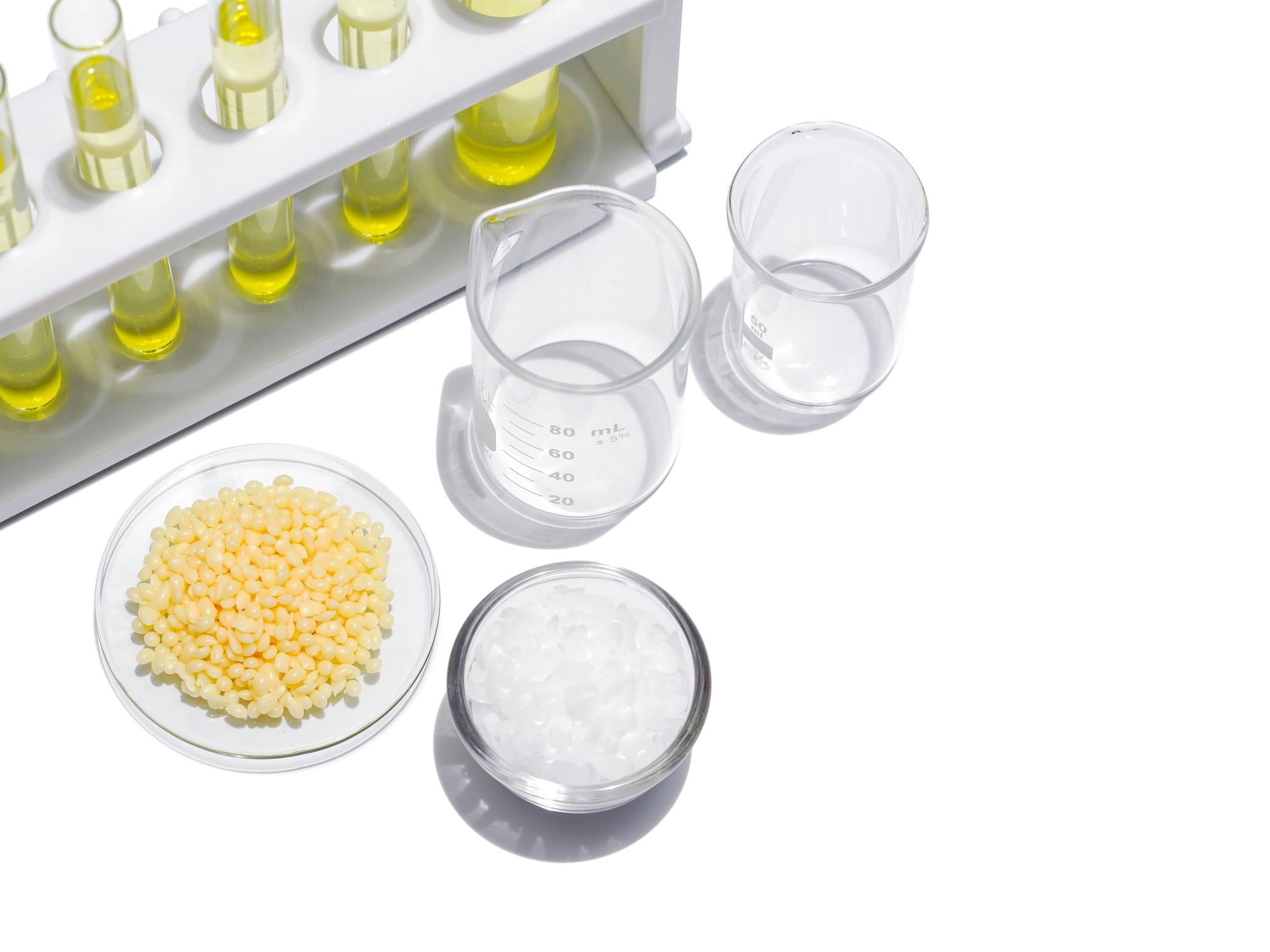

Bulk CBG Crystal Resistant Distillate: Complete Formulation & Sourcing Guide
CBG Crystal Resistant Distillate, often called CBG CRD, is a specialized cannabinoid ingredient designed to help reduce crystallization challenges that can occur with standard CBG distillates. For beverage brands, gummy manufacturers, tincture formulators, capsule companies, and functional wellness product developers, CBG CRD offers a more practical path toward stable, scalable, and commercially reliable cannabinoid formulations.
Crystallization is one of the most frustrating problems in cannabinoid product development. A formula may look stable during initial production, then begin showing cloudiness, separation, sediment, or crystal formation after shipping, refrigeration, storage, or repeated temperature changes. For a brand, that creates more than a visual issue. It can affect dosing consistency, customer experience, retailer confidence, and long-term product credibility.
This guide explains what CBG CRD is, why crystallization happens, how crystal resistant distillate compares to standard CBG distillate, which products benefit from it, what buyers should ask suppliers, and how brands can use CBG CRD as part of a stronger formulation and supply chain strategy.
In This Guide
- What Is CBG Crystal Resistant Distillate?
- Why CBG Distillate Can Crystallize
- CBG CRD vs Standard CBG Distillate
- Applications for Bulk CBG CRD
- CBG CRD in Beverage Formulation
- How to Evaluate a Bulk CBG CRD Supplier
- Testing, COAs, and Quality Control
- Stability Testing Considerations
- Why Brands Work With Go North Hemp
- Frequently Asked Questions
What Is CBG Crystal Resistant Distillate?
CBG Crystal Resistant Distillate is a refined cannabinoid ingredient formulated to improve stability and reduce the likelihood of visible crystal formation compared with many standard CBG distillates. It is commonly used by manufacturers that need a CBG input with better handling characteristics, improved formulation flexibility, and stronger performance in finished goods that may experience temperature changes during production, storage, or distribution.
CBG, short for cannabigerol, is often referred to as a minor cannabinoid because it usually appears in lower concentrations than CBD in mature hemp biomass. As interest in functional hemp products has grown, more brands have started exploring CBG for use in beverages, gummies, capsules, tinctures, topicals, and multi-cannabinoid blends.
The challenge is that cannabinoid ingredients do not always behave predictably in finished formulations. A distillate can appear clear and workable at one temperature, then become cloudy, grainy, or crystalized when exposed to colder storage, ingredient interactions, or changes in carrier systems. This is especially important for brands producing products at commercial scale, where stability problems can become expensive quickly.
CBG CRD exists to solve this practical formulation problem. Instead of forcing product developers to build around the weaknesses of standard distillates, crystal resistant inputs give brands a more stable foundation for product development.
For bulk buyers, CBG CRD is not just another cannabinoid ingredient. It is a formulation tool. It can help reduce development friction, improve finished-product presentation, and support a stronger quality story for brands that want to compete above the commodity level.
Why CBG Distillate Can Crystallize
Crystallization occurs when compounds separate from a mixture and organize into a solid crystal structure. In cannabinoid formulation, this may happen when cannabinoids exceed their practical solubility limits within a carrier, matrix, or finished product system.
Several factors can contribute to cannabinoid crystallization:
- Temperature changes: A material that appears stable at room temperature may behave differently under refrigeration, cold shipping, or temperature cycling.
- High cannabinoid concentration: Higher concentrations can increase the risk of precipitation if the surrounding system cannot keep the cannabinoid properly dispersed or dissolved.
- Carrier compatibility: Oils, emulsions, solvents, sweeteners, acids, flavors, and botanical ingredients can all influence stability.
- Ingredient purity and composition: Trace compounds may affect how a distillate behaves in a finished formulation.
- Time: Some instability issues do not appear immediately. They may emerge days, weeks, or months after production.
This is why a product can pass a basic production check and still fail in the real world. A beverage may look clear after batching, then develop sediment after sitting in a warehouse. A tincture may look smooth during filling, then begin showing crystals after exposure to colder temperatures. A gummy formulation may perform in a pilot batch, then run into consistency issues during scaled manufacturing.
For professional brands, crystallization is not only a cosmetic concern. It can create questions about serving consistency, customer perception, retailer complaints, and manufacturing reliability. If consumers see particles, cloudiness, or sediment that they do not expect, they may assume the product is defective, even if the issue is related to formulation stability rather than safety.
That is why formulation teams increasingly look for cannabinoid inputs designed with stability in mind from the beginning.
CBG CRD vs Standard CBG Distillate
Standard CBG distillate and CBG CRD may both deliver CBG as a functional cannabinoid input, but they are not always interchangeable from a formulation standpoint. The major difference is how they behave in real-world product systems.
| Feature | Standard CBG Distillate | CBG Crystal Resistant Distillate |
|---|---|---|
| Crystallization Risk | Higher in sensitive systems | Designed to reduce crystallization challenges |
| Formulation Flexibility | More limited | Better suited for advanced product formats |
| Temperature Sensitivity | Can vary by batch and formulation | Built for stronger practical stability |
| Beverage Use | May require more development work | Better foundation for beverage R&D |
| Commercial Scale Reliability | Can be more variable | Better suited for brands prioritizing consistency |
The important point is not that CBG CRD automatically solves every stability challenge. Finished product stability still depends on the full formula, processing method, packaging format, pH, storage environment, and dosage target. But for brands that already know CBG crystallization can become a problem, starting with a crystal resistant input gives the formulation team a better foundation.
Applications for Bulk CBG CRD
Bulk CBG CRD is useful for brands that want to build differentiated cannabinoid products without relying only on CBD or THC. As the hemp and functional wellness markets mature, product developers are looking for minor cannabinoids that can support more advanced positioning.
1. Functional Beverages
Beverages are one of the most demanding cannabinoid delivery formats because they introduce water activity, pH concerns, flavor systems, preservatives, emulsions, and temperature variation. For brands developing hemp beverages, CBG CRD can be part of a stronger cannabinoid input strategy, especially when paired with the right emulsion or water-compatible delivery system.
Brands developing beverage products should also review Go North Hemp’s Water Soluble CBD Bulk Wholesale Guide, How to Formulate Functional Beverages, and Cannabinoid Beverage Shelf Stability Guide.
2. Gummies and Edibles
Gummy brands need cannabinoid inputs that can integrate into production without creating inconsistent texture, uneven distribution, or visible instability. CBG CRD may be useful for brands developing premium edible formats where appearance, dosing consistency, and batch repeatability matter.
3. Tinctures and Oil-Based Drops
Tinctures often appear simple, but they still require careful carrier selection, cannabinoid compatibility, and stability review. If a tincture develops crystals, haze, or separation, customers may lose confidence in the product. CBG CRD can help formulators build more polished oil-based products.
4. Capsules and Softgels
Capsules and softgels benefit from consistent cannabinoid inputs because the finished format depends heavily on accurate fill, uniformity, and ingredient compatibility. CBG CRD can support brands that want to add CBG into daily wellness capsules or multi-cannabinoid softgel systems.
5. Topicals and Cosmetics
Topical products may include oils, butters, emulsifiers, fragrances, botanicals, and active cosmetic ingredients. A stable cannabinoid input can make it easier to develop creams, balms, roll-ons, and body-care products with a cleaner finished appearance.
CBG CRD in Beverage Formulation
CBG beverage development deserves special attention because beverage systems are among the hardest formats for cannabinoid stability. A beverage may face hot-fill conditions, cold-chain exposure, warehouse storage, ingredient interactions, acidity, flavor masking challenges, and long shelf-life expectations.
When brands formulate cannabinoid beverages, the question is not only whether the product can be made. The better question is whether the product can remain stable through the entire commercial journey:
- Ingredient receiving
- Batching and mixing
- Thermal processing or hot-fill conditions
- Cooling
- Packaging
- Warehouse storage
- Transportation
- Retail display
- Consumer refrigeration
Each stage can expose the formula to new stress. That is why beverage brands should not evaluate cannabinoid inputs only by potency or price. They should also ask how the ingredient behaves under the actual conditions the product will experience.
CBG CRD may be especially useful for beverage brands that are building broader functional formulas. Many modern beverages combine cannabinoids with botanicals, adaptogens, nootropics, electrolytes, caffeine alternatives, mushrooms, vitamins, minerals, or flavor systems. Each additional ingredient can affect the formulation environment.
For Go North Hemp, this creates an important positioning opportunity. The conversation is no longer only about CBD or THC beverages. The next wave of functional beverage innovation includes minor cannabinoids, botanical systems, nootropic blends, and formulation support. CBG CRD fits into that broader movement because it gives brands another tool for building more sophisticated products.
How to Evaluate a Bulk CBG CRD Supplier
Choosing the right CBG CRD supplier is just as important as choosing the ingredient itself. A low-cost input can become expensive if it creates failed batches, delays, inconsistent COAs, poor communication, or inventory problems.
Before committing to a bulk CBG CRD supplier, buyers should ask the following questions.
Can the supplier provide recent COAs?
A Certificate of Analysis should be available for the specific batch being purchased. Buyers should review cannabinoid potency, THC levels, and relevant contaminant screening based on the product type and market requirements.
Does the supplier understand formulation use cases?
Some suppliers only sell ingredients. Better partners understand how those ingredients are used in beverages, gummies, tinctures, capsules, and topicals. This matters because the same cannabinoid input may behave differently depending on the finished product system.
Can they support commercial scale?
Small sample availability does not always mean bulk reliability. Brands should ask about inventory, lead times, batch planning, and reorder consistency before scaling a product around a specific ingredient.
Do they offer technical guidance?
For advanced cannabinoid products, technical support can save time. Supplier guidance may help brands think through temperature exposure, ingredient compatibility, carrier systems, and storage requirements.
Do they have a broader cannabinoid portfolio?
Brands rarely stop at one ingredient. A supplier that can support CBG, CBN, CBC, CBD, water-soluble cannabinoids, and other specialty inputs may be more valuable than a single-product vendor.
Testing, COAs, and Quality Control
Professional buyers should treat CBG CRD as a technical ingredient, not a commodity. That means quality control should go beyond asking for a price per kilo.
A strong supplier should be able to provide documentation related to:
- Cannabinoid potency
- THC compliance
- Residual solvents
- Heavy metals
- Pesticides
- Microbials, when applicable
- Batch identification
- Manufacturing or handling documentation, when available
For brands operating in regulated hemp, cannabis, food, beverage, supplement, or cosmetic channels, testing expectations can vary by jurisdiction and product category. Buyers should verify local requirements before launching or distributing a finished product.
The most important principle is simple: do not build a premium product around an ingredient that cannot be documented. Reliable documentation protects the buyer, the manufacturer, the retailer, and the end consumer.
Stability Testing Considerations for CBG CRD Products
Even when using CBG CRD, finished products should still be tested under realistic conditions. Crystal resistant inputs can improve the starting point, but the final product must be validated as a complete system.
Brands should consider stability testing across several conditions:
- Ambient storage: Evaluates how the product performs under normal room-temperature conditions.
- Refrigerated storage: Important for beverages, tinctures, and products that may be chilled by consumers or retailers.
- Elevated temperature exposure: Useful for understanding how a product may behave during shipping or warm storage.
- Freeze-thaw or temperature cycling: Helps identify instability that may appear after repeated temperature changes.
- Longer-term shelf-life review: Important for products targeting retail distribution.
For beverage brands, stability should also include visual inspection, taste review, pH monitoring, active ingredient testing, sediment review, and packaging compatibility. A beverage that looks stable for one week may not be commercially ready if the target shelf life is three, six, nine, or twelve months.
This is why CBG CRD should be viewed as part of a broader formulation architecture. The ingredient matters, but the total system matters too.
Supply Chain Considerations for Bulk CBG CRD

Supply chain reliability is a major part of CBG CRD sourcing. A brand may spend months developing a formulation, only to run into problems if the supplier cannot support production timelines or consistent reorder quantities.
For commercial buyers, the best supplier is not always the cheapest supplier. The better supplier is the one that can support your product from sample evaluation through scale-up, repeat ordering, and long-term growth.
Brands should consider:
- Available inventory
- Minimum order quantities
- Lead times
- Batch consistency
- Technical responsiveness
- Testing documentation
- Multiple cannabinoid sourcing options
- Ability to support future product expansion
This is especially important for brands building products around minor cannabinoids. As demand grows, supply can tighten quickly. A reliable wholesale partner can help brands avoid production delays and protect customer relationships.
Market Positioning: Why CBG CRD Creates Brand Advantage
CBG CRD can help brands move away from commodity positioning. Instead of competing only on price, brands can compete on formulation quality, stability, product experience, and ingredient sophistication.
That matters because consumers are becoming more selective. Retailers are becoming more cautious. Manufacturers are becoming more demanding. The brands that win long term are usually the brands that can combine strong product positioning with dependable execution.
CBG CRD supports that strategy because it allows brands to talk about:
- Advanced cannabinoid formulation
- Improved stability planning
- Premium ingredient selection
- Minor cannabinoid innovation
- Functional wellness product development
- More reliable commercial production
For brands launching new SKUs, this can help create stronger differentiation in a crowded hemp and wellness market.
Why Brands Work With Go North Hemp for Bulk CBG CRD
Go North Hemp supports brands, manufacturers, and product developers looking for bulk cannabinoid ingredients, including CBG Crystal Resistant Distillate and other specialty hemp inputs.
Brands work with Go North Hemp because they need more than a product listing. They need a wholesale partner that understands ingredient sourcing, product development, cannabinoid quality, and commercial timelines.
Go North Hemp can support buyers looking for:
- Bulk CBG CRD supply
- Wholesale cannabinoid ingredients
- COA-backed sourcing
- Minor cannabinoid options
- Product development support
- Reliable communication
- Ingredient solutions for beverages, gummies, tinctures, capsules, and topicals
For brands building advanced hemp products, CBG CRD is not only an ingredient. It is part of a broader product strategy. The right supplier can help brands reduce formulation risk, improve planning, and scale with more confidence.

Internal Resources for Product Developers
If you are developing cannabinoid beverages or functional hemp products, these Go North Hemp resources may help support your formulation and sourcing strategy:
- Water Soluble CBD Bulk Wholesale Guide
- Nano CBD vs Water Soluble CBD for Beverages
- How to Formulate Functional Beverages
- Cannabinoid Dosage in Beverages
- Functional Beverage Dosage Architecture
- Cannabinoid Beverage Shelf Stability Guide
- Shop CBG Ingredients
Frequently Asked Questions About CBG CRD
What is CBG CRD?
CBG CRD stands for CBG Crystal Resistant Distillate. It is a specialized CBG ingredient designed to help reduce crystallization challenges compared with many standard CBG distillates.
Does CBG CRD completely eliminate crystallization?
No ingredient can guarantee finished-product stability in every formula. CBG CRD can improve the formulation starting point, but final stability still depends on dosage, carrier system, processing method, packaging, pH, storage, temperature exposure, and the complete ingredient matrix.
Can CBG CRD be used in beverages?
CBG CRD may be useful in beverage development, especially when paired with an appropriate delivery system. Beverage brands should still conduct stability testing under ambient, refrigerated, and temperature-cycling conditions.
Is CBG CRD the same as water-soluble CBG?
No. CBG CRD is a crystal resistant distillate. Water-soluble CBG generally refers to a cannabinoid ingredient processed into a water-compatible delivery system, often through emulsion or nanoemulsion technology. Depending on the product, a brand may need one or both technologies.
What products commonly use CBG CRD?
CBG CRD may be used in beverages, gummies, tinctures, capsules, softgels, topicals, and multi-cannabinoid formulations.
What should buyers ask before purchasing bulk CBG CRD?
Buyers should ask for recent COAs, potency details, THC compliance, contaminant testing, available inventory, minimum order quantities, lead times, batch consistency, and technical support.
Why does CBG crystallization matter?
Crystallization can affect product appearance, perceived quality, formulation consistency, and customer trust. In commercial products, visible crystals or sediment may create complaints or retailer concerns.
How should brands test finished products made with CBG CRD?
Brands should test finished products under realistic storage and distribution conditions. This may include ambient storage, refrigeration, elevated temperature exposure, freeze-thaw cycling, visual inspection, potency review, and shelf-life monitoring.
Who sells bulk CBG CRD?
Go North Hemp supplies bulk cannabinoid ingredients, including CBG Crystal Resistant Distillate, for brands and manufacturers developing advanced hemp products.
Ready to Source Bulk CBG Crystal Resistant Distillate?
Go North Hemp supports brands, manufacturers, and product developers looking for reliable bulk CBG CRD and specialty cannabinoid ingredients.
Compliance Note: This content is for informational and B2B sourcing purposes only. It is not medical, legal, or regulatory advice. Brands should verify all applicable federal, state, and local requirements before manufacturing, marketing, or distributing cannabinoid products.
Ready to future proof your supply chain?
Visit the COA Hub or contact the Ingredient Team to start your 2026 formulations.
Call 971-406-3862 for trade pricing and live lot availability.