
Cart
0
EPN Cannabinoid (Euphorinol™): The Complete B2B Supplier, Testing & Formulation Guide
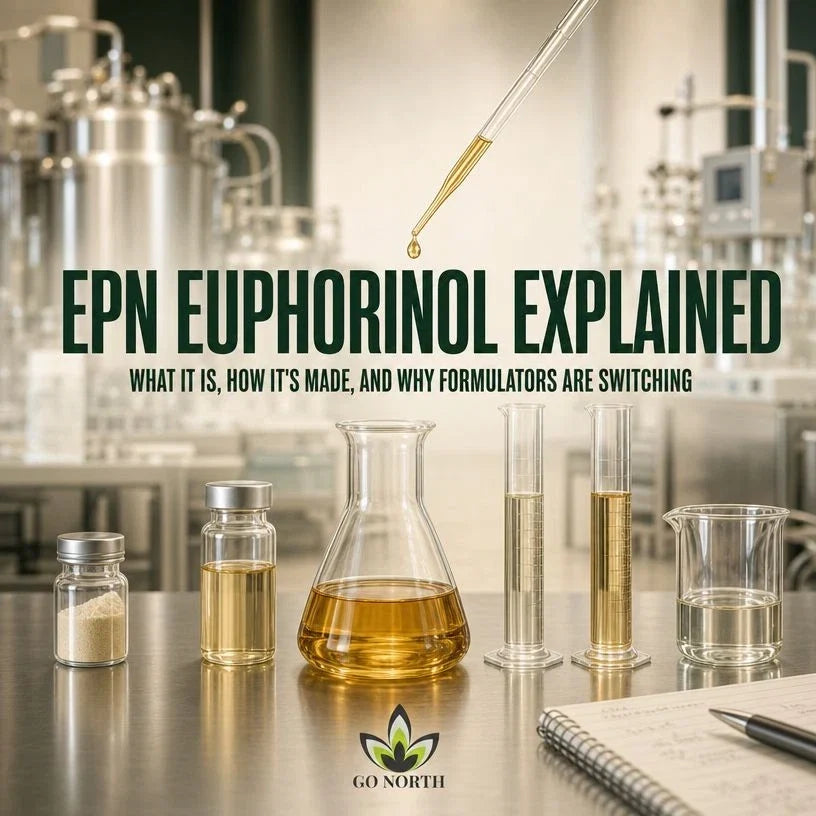
EPN cannabinoid, also known as Euphorinol™, is a hemp-derived cannabinoid ingredient used by manufacturers developing advanced cannabinoid formulations for beverages, gummies, tinctures, capsules, and other wellness products.
As cannabinoid innovation moves beyond traditional CBD and THC, product developers are looking for differentiated ingredients that can support new functional product experiences. One emerging ingredient gaining attention is Euphorinol™ (EPN Cannabinoid).
For manufacturers, formulators, distributors, and product brands, sourcing EPN is not the same as buying commodity CBD. Emerging cannabinoids require stronger supplier controls, deeper testing documentation, and a clearer understanding of how the ingredient will perform in finished products.
This guide explains what EPN is, why testing matters, how to evaluate an EPN supplier, and what B2B buyers should look for before placing a commercial order.

What Is Euphorinol™ (EPN)?
Euphorinol™ is a hemp-derived cannabinoid ingredient designed for brands developing advanced cannabinoid formulations. While CBD has become a widely recognized ingredient, EPN sits in a more specialized category of emerging cannabinoids that require greater supplier expertise, quality control, and formulation support.
For B2B buyers, the value of EPN is not only the ingredient itself. The real value comes from sourcing it through a supplier that can provide documentation, consistency, testing, and technical support. This is especially important for brands developing beverages, gummies, tinctures, capsules, vapes, and other wellness-focused products.
Because EPN is not a basic commodity cannabinoid, brands should evaluate it through a more rigorous procurement lens. That includes reviewing COAs, batch consistency, stability considerations, handling procedures, and regulatory documentation before moving into scaled production.
The Hidden Complexity of EPN Cannabinoid Testing
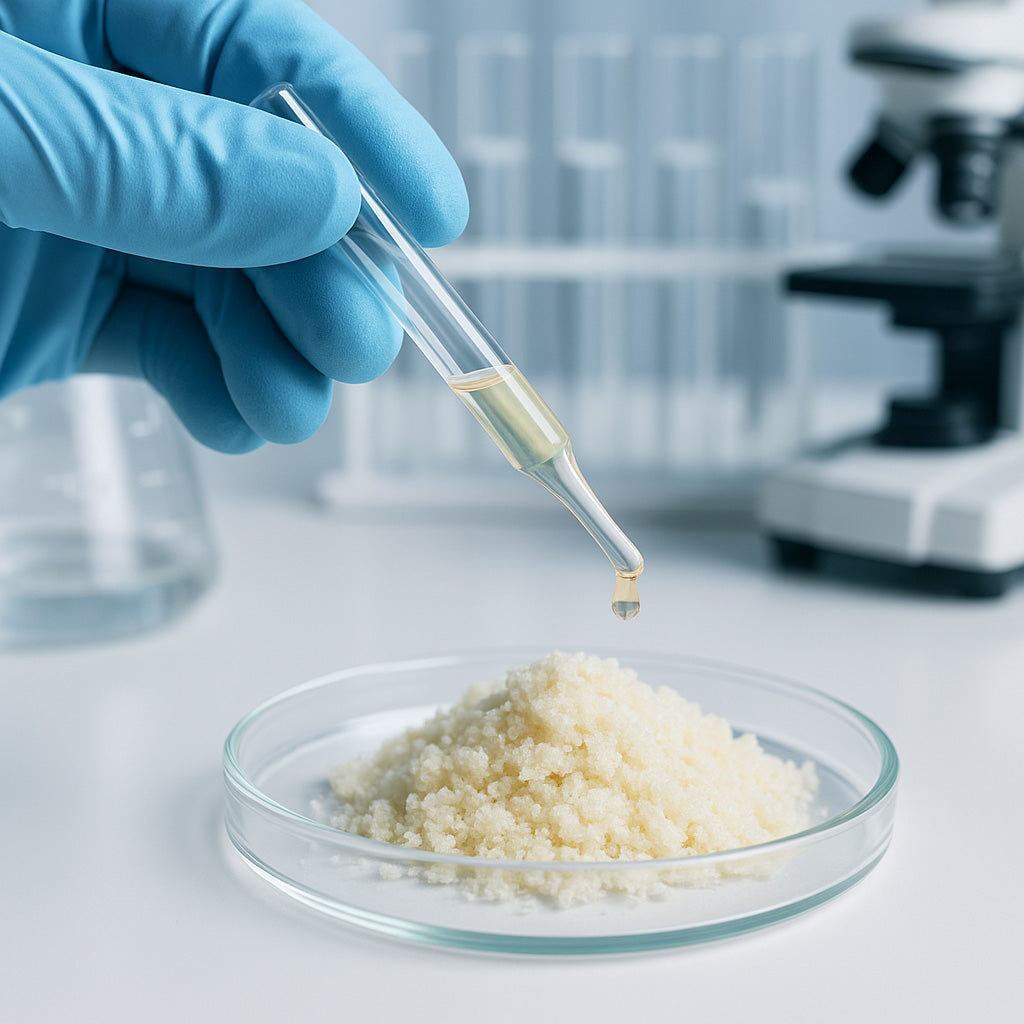
Unlike commodity CBD, EPN cannabinoids require specialized testing and processing. Proper quality control may involve:
- Sophisticated analytical lab equipment
- Experienced cannabinoid testing technicians
- Validated testing procedures
- Batch-level quality documentation
- Stability and storage considerations
Without this infrastructure, bulk hemp suppliers may struggle to prove purity, stability, or compliance. For B2B buyers, that creates risk across production, labeling, regulatory review, and customer experience.
Why EPN Testing Is More Complex Than Traditional CBD
CBD is now a mature cannabinoid category. Many labs, formulators, and suppliers understand how to test and handle it. EPN is different because it is a more specialized ingredient with less market-wide standardization.
When evaluating EPN, buyers should ask whether the supplier can support the following testing and documentation areas:
Potency Testing
Potency testing helps confirm the cannabinoid concentration of each batch. This matters because inconsistent potency can affect finished product dosing, label accuracy, and customer experience.
Residual Solvent Screening
Residual solvent testing helps verify that extraction and processing methods meet expected quality standards.
Heavy Metal Testing
Heavy metal screening is an important quality control step for hemp-derived ingredients because hemp can absorb compounds from soil during cultivation.
Pesticide Screening
Pesticide testing helps confirm that raw material inputs meet safety and quality expectations.
Microbial Testing
Microbial testing helps identify contamination risks before the ingredient is used in commercial production.
Stability Review
Stability review helps determine how the ingredient may perform over time under different storage, packaging, and formulation conditions.
For broader testing standards and laboratory quality references, buyers can review resources from AOAC International, the U.S. Food & Drug Administration, and the USDA Domestic Hemp Production Program.
EPN vs. Traditional CBD
| Category | EPN Cannabinoid | CBD |
|---|---|---|
| Market Position | Emerging cannabinoid ingredient | Established cannabinoid ingredient |
| Supplier Availability | More limited | Widely available |
| Testing Requirements | More specialized | More standardized |
| Formulation Support | Often requires supplier guidance | More commonly understood |
| Best Fit | Differentiated cannabinoid products | Mainstream wellness products |
Where Generic Bulk Suppliers Fall Short
Many generic bulk cannabinoid suppliers are built around common cannabinoids, not specialized emerging ingredients. This can create problems for brands trying to launch differentiated cannabinoid products.
- Minimal COAs: Some suppliers provide only basic potency information without deeper quality documentation.
- Poor Handling: Improper storage or shipping conditions may affect ingredient quality before delivery.
- Lack of Transparency: Missing documentation around cultivation, extraction, testing, and traceability can create compliance risk.
- Limited Technical Support: Some suppliers sell ingredients but do not support formulation or product development questions.
- Inconsistent Supply: Emerging cannabinoids can be harder to source reliably at commercial scale.
These issues can lead to inconsistent raw materials, failed audits, production delays, and reduced buyer confidence.
How to Evaluate an EPN Cannabinoid Supplier
Choosing the right EPN supplier is one of the most important decisions a product development team can make. The supplier should be evaluated not only on price, but also on documentation, quality systems, technical expertise, and commercial reliability.
1. Verify Third-Party COAs
Current COAs should be available for commercial batches. Buyers should review potency, residual solvents, pesticides, heavy metals, microbial screening, and any additional testing relevant to the intended product category.
2. Ask About Batch Consistency
Batch-to-batch consistency matters when moving from small formulation work to scaled production. A reliable supplier should be able to support consistent ingredient quality across commercial lots.
3. Review Stability Considerations
Stability can affect potency, shelf life, and finished product performance. Buyers should ask how the ingredient should be stored and whether the supplier has stability guidance available.
4. Confirm Supply Chain Transparency
Strong suppliers should be able to explain sourcing, extraction, processing, and quality control procedures.
5. Evaluate Technical Support
For emerging cannabinoids, technical support is especially important. Brands may need guidance around formulation compatibility, storage, handling, and commercial production planning.
6. Understand MOQ and Scale Capacity
A supplier should be able to support both early-stage product development and larger production runs as demand increases.
For a related sourcing framework, review Go North Hemp’s Water Soluble CBD Bulk Wholesale Guide.
Buying for Your Business? Explore wholesale pricing with self-serve ordering at the Go North Hemp portal. Every batch ships with an ISO 17025 lab COA. Prefer to talk? Call 971-406-3862.
Understanding EPN Stability and Shelf Life
Ingredient stability is a critical consideration for cannabinoid product development. Even small changes in potency, clarity, flavor impact, or ingredient performance can create problems in finished products.
Key variables that can affect cannabinoid stability include:
- Temperature exposure during storage and shipping
- Light exposure
- Oxygen exposure
- Packaging format
- Product pH
- Carrier system
- Finished product format
Stability considerations become especially important in beverages and functional formulations, where ingredient compatibility, clarity, taste, and shelf-life performance all matter.
For more on this topic, read the Cannabinoid Beverage Shelf Stability Guide.
EPN Applications Across Modern Product Categories
EPN may be considered by product developers exploring advanced cannabinoid blends and differentiated wellness products. The right application depends on formulation goals, dosage strategy, ingredient compatibility, and regulatory review.
Functional Beverages
Beverage products require careful attention to solubility, clarity, flavor, stability, and dosage architecture. Brands developing cannabinoid beverages should work with suppliers who understand formulation requirements beyond basic ingredient supply.
Related resource: How to Formulate Functional Beverages.
Gummies and Chewables
Gummies require consistent cannabinoid distribution, stable inputs, and accurate dosing. Ingredient quality can directly affect production consistency and finished product reliability.
Tinctures
Tinctures may offer a flexible format for cannabinoid blends, but brands still need to evaluate carrier compatibility, potency, flavor, and batch documentation.
Capsules and Softgels
Capsules and softgels require precise dosing and ingredient consistency. This makes supplier reliability especially important for scaled production.
Vape Formulations
Vape products require careful formulation review, quality documentation, and compliance consideration. Brands should work with qualified teams before developing inhalable products.
Functional Wellness Blends
As brands expand beyond CBD and THC, EPN may be evaluated alongside botanicals, nootropics, adaptogens, and other functional ingredients. For dosage strategy, see Go North Hemp’s Functional Beverage Dosage Architecture Guide.
Go North Hemp’s Quality Advantage
At Go North Hemp, we support B2B buyers with a quality-first cannabinoid supply model built around documentation, traceability, and commercial reliability.
- Euphorinol™ (EPN Cannabinoid): Available for brands developing advanced cannabinoid products.
- Advanced Processing: Designed to support ingredient integrity and production consistency.
- Quality Documentation: COA-backed cannabinoid supply for professional buyers.
- Traceability: Documentation support for brands, manufacturers, and distributors.
- B2B Support: Ingredient guidance for formulators and product development teams.
Whether you are a formulator, distributor, manufacturer, or brand owner, Go North Hemp helps simplify cannabinoid sourcing with reliable supply and professional documentation.
EPN Supplier Qualification Checklist
Before choosing an EPN supplier, ask the following questions:
- Can the supplier provide current COAs?
- Are third-party lab results available?
- Is batch consistency documented?
- Does the supplier provide storage and handling guidance?
- Can the supplier support commercial scale production?
- Is technical support available for formulation questions?
- Does the supplier understand beverage, gummy, tincture, capsule, and vape applications?
- Is regulatory documentation available upon request?
- Can the supplier support repeat orders reliably?
- Is the ingredient backed by transparent sourcing and quality controls?
The B2B Benefits of Premium EPN Supply
- Batch-to-Batch Consistency: Supports predictable production and accurate formulation planning.
- Compliance Confidence: Documentation helps buyers support internal quality and regulatory review.
- Stability Awareness: Better supplier guidance helps protect finished product performance.
- Product Differentiation: Emerging cannabinoids can help brands develop more unique product lines.
- Commercial Reliability: Strong supply relationships reduce delays and sourcing risk.
Frequently Asked Questions About EPN Cannabinoids
What is Euphorinol™?
Euphorinol™ is a hemp-derived cannabinoid ingredient offered by Go North Hemp for brands developing advanced cannabinoid formulations.
What is EPN cannabinoid used for?
EPN may be evaluated for use in product categories such as beverages, gummies, tinctures, capsules, vapes, and functional wellness blends.
How is EPN tested?
EPN should be evaluated using appropriate cannabinoid testing methods, including potency testing, residual solvent screening, pesticide screening, heavy metal testing, microbial testing, and other quality checks relevant to the product category.
Why is EPN testing more complex than CBD testing?
CBD is a more mature ingredient category with broader market standardization. EPN is more specialized, which makes supplier expertise, documentation, and testing controls more important.
What should buyers look for in an EPN COA?
Buyers should review potency, cannabinoid profile, residual solvents, pesticides, heavy metals, microbial results, batch number, testing date, and lab information.
Can EPN be used in beverages?
EPN may be evaluated for beverage applications, but brands should review solubility, stability, flavor impact, dosage strategy, and regulatory considerations before commercialization.
Can EPN be used in gummies?
Yes, EPN may be considered for gummy and chewable formats when supported by proper formulation, dosing, and supplier documentation.
How should EPN be stored?
Storage requirements may vary by batch and format. In general, cannabinoid ingredients should be protected from excessive heat, light, oxygen, and contamination risk. Buyers should request storage guidance from the supplier.
What is the difference between EPN isolate and EPN distillate?
Isolate generally refers to a more purified cannabinoid format, while distillate may contain a broader cannabinoid profile. Buyers should confirm specifications, potency, and formulation fit before ordering.
Why does supplier selection matter?
Supplier selection affects ingredient quality, documentation, formulation support, scalability, and commercial reliability.
What documentation should an EPN supplier provide?
Buyers should request COAs, batch documentation, product specifications, storage guidance, and any additional regulatory or quality documents needed for internal review.
Where can businesses buy Euphorinol™?
Businesses can inquire about Euphorinol™ from Go North Hemp or contact the team directly for wholesale support.
Your Next Step: Partner With a Trusted EPN Supplier
Most suppliers can promise quality. Fewer can support it with documentation, consistency, traceability, and commercial supply experience.
If your brand is evaluating EPN for beverages, gummies, tinctures, capsules, vapes, or functional wellness products, Go North Hemp can help you source premium cannabinoid ingredients with the quality support required for B2B product development.
Compliance: Market and sell only where lawful. Verify all applicable federal, state, and local regulations before manufacturing or selling cannabinoid products. Keep out of reach of children. This content is for informational purposes only and does not make medical, therapeutic, or disease-related claims.
Ready to future proof your supply chain?
Visit the COA Hub or contact the Ingredient Team to start your 2026 formulations.
Call 971-406-3862 for trade pricing and live lot availability.